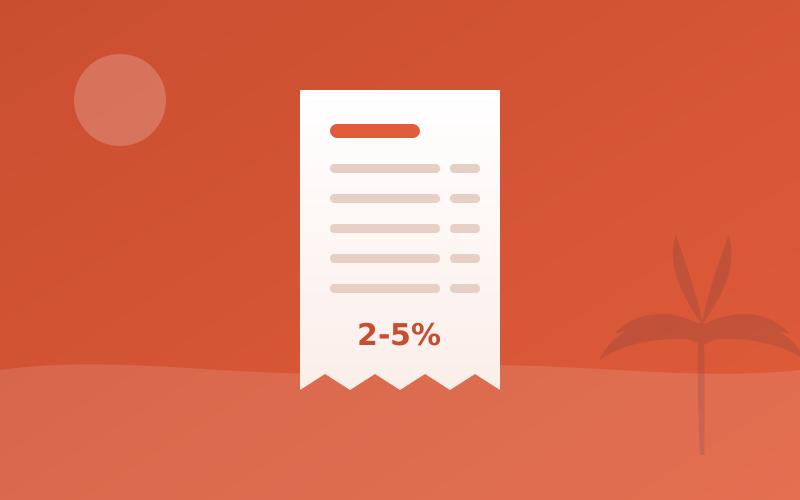
You found the home. You negotiated the price. You're feeling great. Then your lender hands you a document listing thousands of dollars in closing costs you weren't fully expecting.
Let's talk about this before it catches you off guard.
What are closing costs, exactly?
Closing costs are the fees that go into finalizing your purchase. They cover things like:
- Loan origination fees (what a lender charges to process the loan, though I run a no-lender-fee shop)
- Title insurance (protects you and the lender if there's ever a dispute over ownership)
- Appraisal fee (a licensed appraiser's opinion of the home's value)
- Home inspection (highly recommended, and separate from the appraisal)
- Prepaid items like homeowner's insurance, property taxes set aside in escrow, and prepaid interest
- Government recording fees
How much should you expect?
A general rule of thumb is 2% to 5% of the purchase price. On a $350,000 SWFL home, that's roughly $7,000 to $17,500 depending on the loan, the property, and how escrows shake out.
I know that's a wide range. That's exactly why you want a real Loan Estimate on your actual scenario instead of a guess off a website.
How to keep closing costs down
- Seller concessions: In a balanced market like ours, sellers will often agree to cover part of your closing costs. This is one of the biggest levers we have right now.
- Shop the loan: A broker shopping wholesale pricing can cut lender-side costs a bank would charge.
- Lender credits: Sometimes we can structure the loan so the lender covers some costs in exchange for a slightly different rate. Whether that's smart depends on how long you'll keep the loan.
- Time your closing: Closing later in the month can reduce prepaid daily interest.
The single biggest prepaid item for a lot of SWFL buyers is homeowner's and flood insurance held in escrow. That's why your closing costs here can look higher than a buyer in a lower-insurance state. I'll show you the full picture early so you can budget for it.